Brain & Mental Health
Cognitive and mental health shape how people learn, remember, make decisions, cope with stress, and navigate daily life. With dementia cases projected to triple by 2050 and nearly 60% occurring in LMICs, understanding how nutrition, stress, and urban environments influence brain health is increasingly urgent.

The brain is shaped by everyday conditions: chronic stress, poor diet quality, pollution, noise, and unstable environments that heighten cognitive load. Prevention is protection reducing these pressures early and consistently builds lifelong resilience. Cities that prioritise safety, nourishment, and stability create the conditions for healthier minds.

Mental health conditions also affect more than 1 billion people worldwide, including anxiety, depression, bipolar disorder, PTSD, schizophrenia, eating disorders, and neurodevelopmental conditions.
Yet the largest gaps in care, protection, and resources occur in LMICs, where stigma, financial barriers, and limited services restrict access to support.
Mental Health in a Changing World

-
Mental health is a core pillar of global health, shaping how individuals and communities think, feel, work, and connect. Prioritising mental well-being strengthens resilience, supports stress management, and helps maintain emotional balance, factors that influence education, livelihoods, and social stability. When supported through culturally grounded practices, community care, and accessible health systems, mental health becomes a foundation for healthier, more equitable societies.
-
Stigma around mental health remains a major global health barrier, limiting access to care and preventing individuals and communities from seeking support. Reducing this stigma through open dialogue, community education, and culturally grounded compassion helps create environments where people feel safe to reach out. Mental health is an essential component of overall well-being, and every community deserves systems that uphold dignity, understanding, and equitable care.
-
Young people are shaping the future, yet face rising mental health challenges globally, influenced by education pressures, unemployment, digital environments, and social instability. Investing in youth‑centred support systems strengthens long‑term societal resilience. When communities prioritise safe spaces, mentorship, and accessible care, they help young people build coping skills that carry into adulthood. Supporting youth mental health today lays the foundation for healthier, more stable societies tomorrow.
-
Poverty, food insecurity, displacement, conflict, and climate stressors all shape mental well-being. Addressing these structural determinants is essential for building resilient communities and reducing long‑term mental health burdens. When policies prioritise housing, education, safety, and economic stability, they create environments where mental health can genuinely flourish. Tackling these root causes strengthens not only individual well-being but the collective health of entire populations.
-
A modern global‑health issue: social media, online harassment, digital overload, and the need for safe digital spaces, especially for youth. Digital environments shape identity, belonging, and self‑esteem, but they can also amplify stress, misinformation, and social comparison.
Ensuring digital wellbeing means promoting media literacy, strengthening online protections, and designing platforms that prioritise safety and inclusion. Healthy digital ecosystems emerge when governments, platforms, and communities prioritise safety, inclusion, and well-being. Strengthening these environments helps protect mental health and fosters healthier online experiences for people of all ages.
-
Climate anxiety, displacement, livelihood loss, and the psychological impacts of extreme weather are reshaping mental well-being worldwide. As communities face rising uncertainty, stress and grief linked to environmental change are becoming more common. Strengthening mental health support in climate‑affected regions helps people adapt, recover, and rebuild a sense of stability. Addressing climate and mental health together is now essential for protecting both population wellbeing and long‑term resilience.
people globally live with dementia, projected to reach 139 million by 205057 million
Mental exhaustion and cognitive decline rise when food insecurity and poor nutrition deny the brain the daily fuel required for resilience

of dementia cases globally are linked to 14 modifiable risk factors45%
is spent each year in economic losses linked to mental ill‑health.US$1 trillion
Latest Articles

Feeding the Brain: Nutrition & Cognitive Health
Learning how diet, key nutrients, and gut-friendly ingredients can enhance mood, cognitive function, and emotional resilience

Alzheimer’s Equity in Black Communities
Understanding the unequal burden of neurodegenerative disease and the systemic gaps driving disparities in diagnosis, care, and research

The Gut-Brain Pathway Behind Depression
Investigating how imbalances in gut microbes within the microbiota–gut–brain axis can influence depressive symptoms
Global Brain Health
Brain health extends beyond the individual, shaped directly by the systems we navigate each day. From our local food environments and daily mental loads to wider climate pressures and policy structures, our cognitive resilience and emotional balance are deeply tied to the world around us.

Learning & Cognitive Development
Early nutrition and stable school environments lay the vital groundwork for attention, learning, and emotional resilience. Access to school meals, micronutrients, and consistent routines fuels healthy brain development, ensuring that children stay focused and engaged throughout the school day.
In countries like India, evaluations of the Mid-Day Meal Scheme highlight this impact in action. Data shows that regular, nutrient-rich meals curb fatigue, sharpen student focus, and elevate academic participation, proving how targeted nutrition policy directly translates to stronger cognitive and educational outcomes.

Climate Risks & Neuroprotection
Heat, air quality, water security, and environmental degradation take a heavy toll on cognitive performance and mental well-being. Climate stressors increase fatigue, impair decision-making, and increase emotional strain, while physical risks deepen the long-term burden on both body and mind.
In countries like Vietnam and Cambodia, seasonal floods trigger school closures, food insecurity, and water-borne illness. These compounding pressures drive up stress and drain the cognitive bandwidth families need for daily work, planning, and decision-making.
Labour & Mental Load
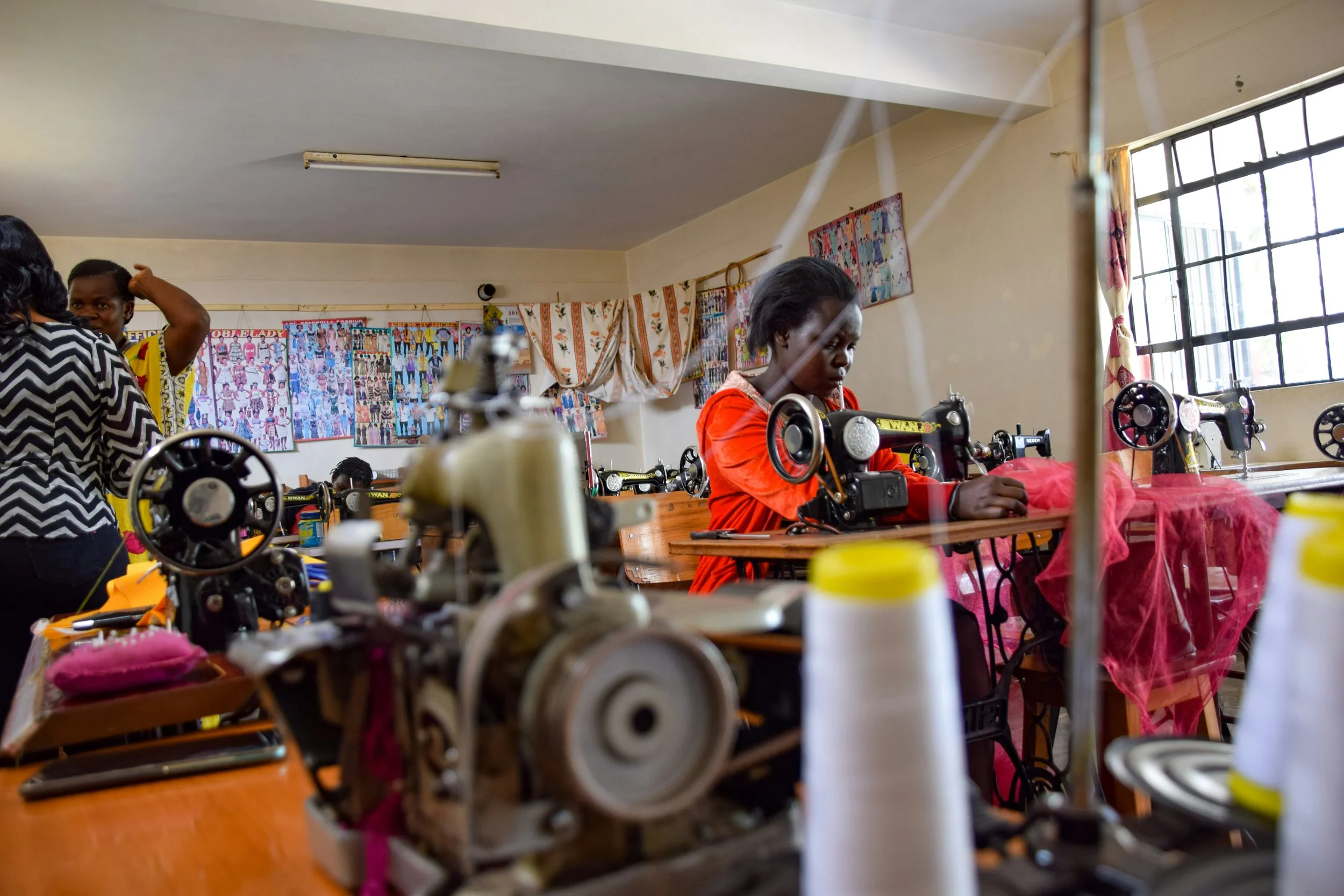
Unstable working conditions, gendered labour, and economic precarity take a heavy toll through chronic stress and cognitive load. When employment is unsafe, the brain carries the burden as persistent stress hormones impair attention, memory, and emotional regulation, making daily decision-making increasingly difficult.
In rapidly growing East African cities, women balancing informal trade, precarious work, and household duties navigate a heavy mental load shaped by long commutes, scarce childcare, and gendered labour expectations. These compounding urban pressures directly strain focus, emotional regulation, and long-term well-being.

Food Environment & Resilience
Food systems shape the nutrients available for memory, mood, and long-term brain development, with access to diverse, affordable foods strengthening cognitive performance and emotional stability.
In urban Guatemala, low-income households rely on UPFs and volatile informal markets, food inflation and economic shocks quickly restrict dietary diversity. These urban food challenges directly disrupt daily focus, problem-solving, and decision-making, showing how nutrition security shapes cognitive health in city environments.

Policy & Nutrition Equity
Agricultural policies, food pricing, and trade systems directly shape population-level brain health, equitable systems reduce stress and strengthen cognitive outcomes, while policy failures amplify food insecurity and chronic strain.
In Indonesia, volatile food prices and subsidy shifts periodically drive up household costs, forcing low-income families toward less diverse diets. These compounding pressures escalate financial stress, draining the cognitive bandwidth adults need for complex planning while disrupting the stability children require for learning.