Services
I partner with community-based organisations, NGOs, and research partners to design, integrate, and deliver nutrition and food environment programmes that create measurable impact.
Each service is tailored to your organisation’s context, goals, and on the ground realities. By blending field insight, behaviour change frameworks, and systems thinking, I translate complex nutrition and food systems data into practical, frontline solutions, bridging public health research with actionable frameworks to drive lasting, equitable health outcomes.
UrbanFood Planner
(Coming soon)
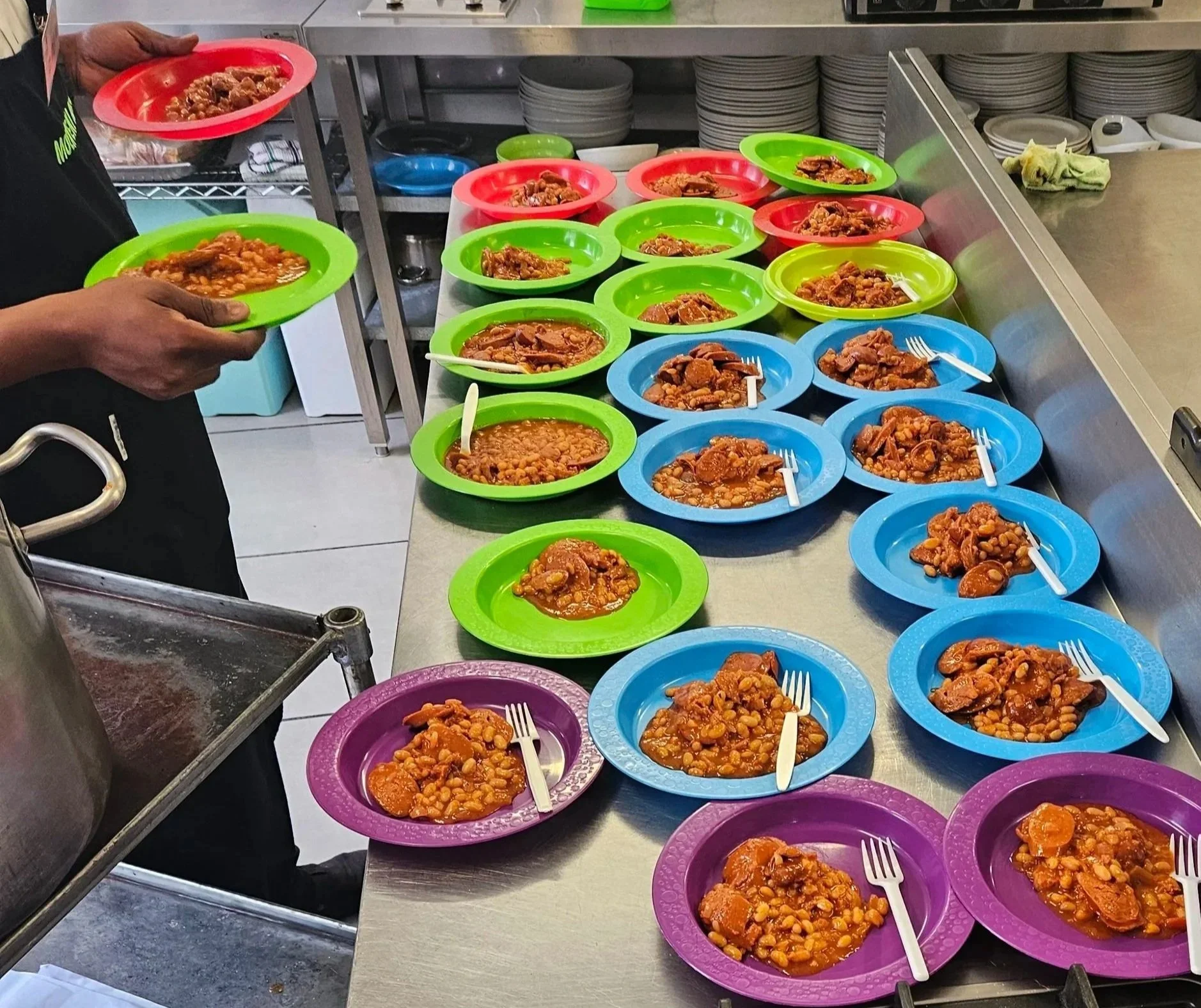
This app is a practical meal planning tool being built for Community Based Organisations (CBOs).
It will distribute nutrients evenly across meals, provide disease/condition specific guidance, and help staff create balanced plans using the food they already have.
The goal is to save time, support inexperienced staff, and align daily meal service with public health priorities while keeping planning simple, efficient, and purpose driven.
UrbanFood Research
Applied research and evidence synthesis that turn nutrition and food‑systems data into actionable public‑health insight
Services
UrbanFood Nutrition
Turning dietary intake and food systems data into practical public‑health strategies
UrbanFood Community
Community focused nutrition and NCD‑prevention programmes that build practical behaviour change and stronger public health impact

UrbanFood Research
UrbanFood Research provides applied research and evidence synthesis to help organisations, NGOs, and academic partners generate clear, actionable insight from complex nutrition and food‑systems data. This service supports teams working on food security, nutrition improvement, and public‑health interventions across rapidly urbanising LMIC contexts.
What this service offers
Data Analysis
Analysing quantitative and qualitative datasets to uncover trends in food security, dietary patterns, retail environments, and programme outcomes. This includes cleaning, structuring, and interpreting data for practical public‑health use.
Literature Reviews & Evidence Synthesis
Conducting structured literature reviews and synthesising research to provide organisations with clear, consolidated evidence that informs programme design, policy alignment, and strategic decision‑making.
Qualitative Coding & Interviewing
Designing and conducting stakeholder or community interviews, focus groups, and qualitative coding to capture lived experiences, community perspectives, and behavioural drivers that shape food choice and nutrition outcomes.
Research Support for NGOs & Universities
Providing methodological guidance, data interpretation, and collaborative research support for NGOs, universities, and research teams working on food‑systems, nutrition, and public‑health projects.
Technical Report Writing
Producing clear, accessible technical reports for food‑security and nutrition interventions including findings, recommendations, and implementation frameworks that translate research into actionable strategies.
What organisations gain
High‑quality research that strengthens programme design and public‑health strategy
Clear evidence synthesis that supports decision‑making and funding proposals
Insight into behavioural, structural, and food‑environment drivers of nutrition outcomes
Robust qualitative and quantitative analysis tailored to real‑world constraints
Technical reporting that bridges academic evidence with practical implementation
Applied research that supports long‑term, equitable food‑system and health impact
UrbanFood Nutrition
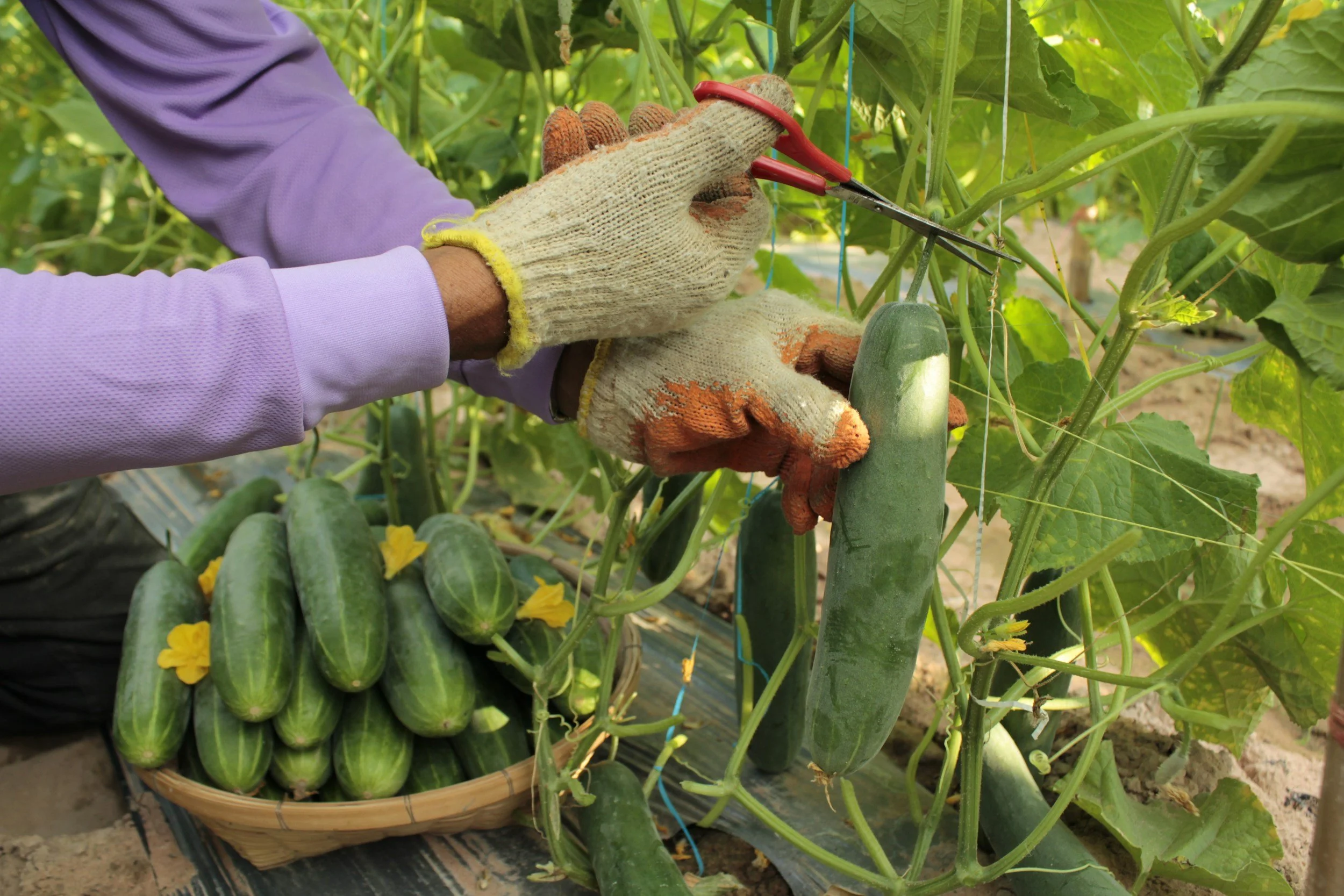
Dietary assessment and nutrient profiling services bridge the gap between large-scale food systems data and real-world implementation. We help organisations, food banks, feeding schemes, and research partners evaluate what is actually in the food supply, assess dietary gaps, and design evidence-based interventions.
What this service offers
Nutrient Profile Models
Developing data-driven nutrient models specifically tailored for food banks and feeding schemes to optimise bulk staple distribution and enhance daily nutrient delivery.
Dietary Assessment
Conduct data‑driven dietary assessments using methods including 24‑hour recalls, FFQs, food‑environment mapping, and affordability analysis to understand real dietary patterns and identify risks linked to NCDs and poor nutrition quality.
Food‑Systems & Retail Data Analysis
Analysing food‑systems data, retail environments, pricing trends, and product availability to reveal how commercial food systems shape daily diets. This helps organisations understand structural drivers of food insecurity, UPF exposure, and nutrition inequality.
What organisations gain
Clear insight into the nutritional quality of available foods
Understanding of food‑environment pressures affecting diet quality and NCD risk
Practical tools for improving meal-planning and programme design
Evidence‑based guidance for strengthening food security strategies
Data that supports funding proposals, monitoring, and long‑term planning
UrbanFood Community
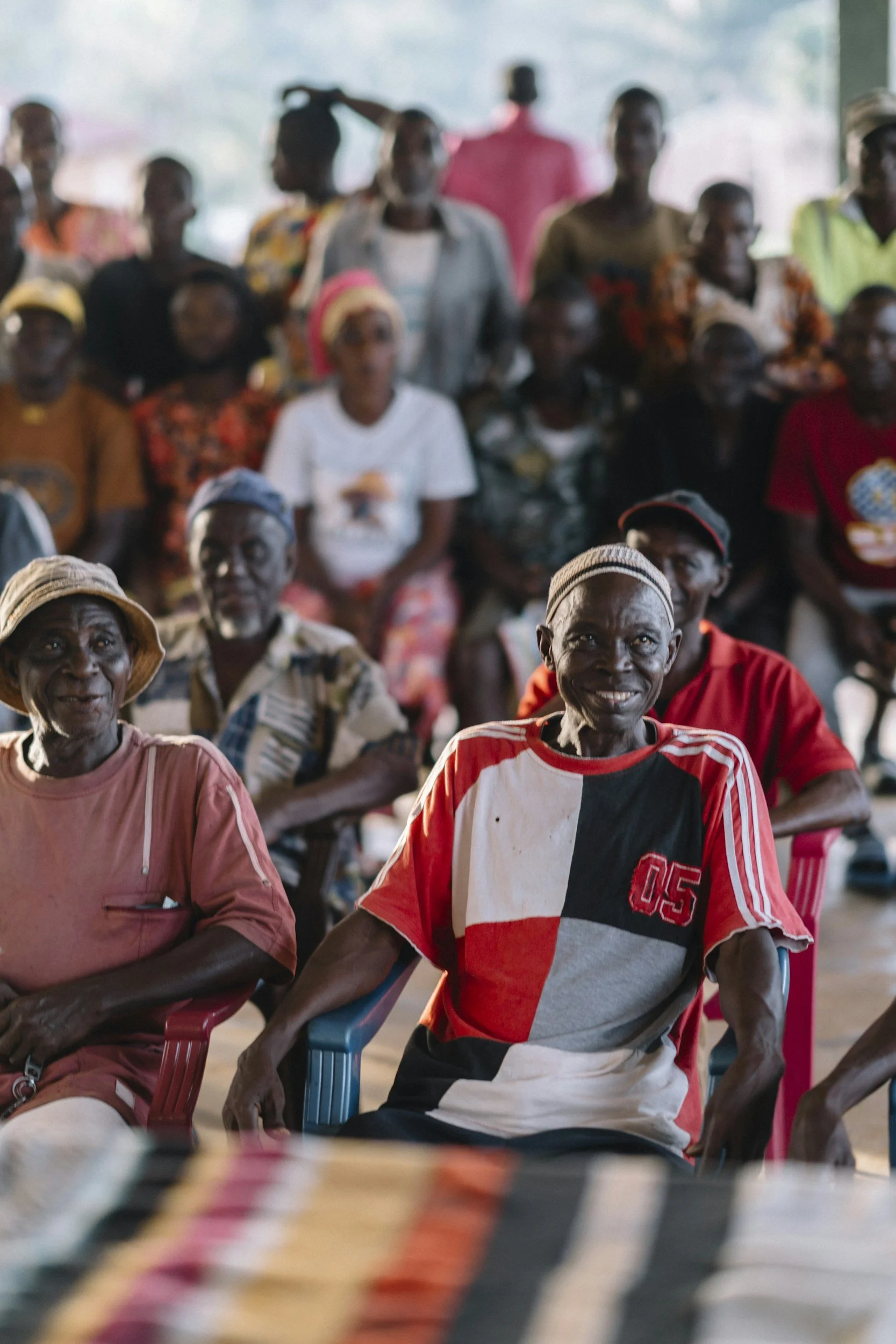
UrbanFood Community delivers practical, evidence‑based nutrition and behaviour programmes designed for CBOs, NGOs, and community organisations working to improve health outcomes in rapidly urbanising settings. This service supports teams who need accessible, culturally aligned tools to strengthen nutrition literacy, reduce diet‑related NCD risks, and integrate nutrition into existing programmes.
What this service offers
Nutrition Education Workshops (Behaviour + NCD Prevention)
Interactive workshops that build foundational nutrition literacy, address UPF exposure, and support everyday behaviour change for NCD prevention. These sessions are designed for real‑world community contexts and can be adapted for youth, adults, or specific programme groups.
Community Nutrition & Behaviour Courses (Taught or Licensed)
Structured courses that organisations can deliver directly or license for long‑term use. These cover nutrition basics, food‑environment awareness, behaviour change strategies, and practical skills for reducing NCD risk in daily life.
Nutrition Integration into Existing Programmes
Support for integrating nutrition and NCD‑prevention components into current community programmes including youth development, food security, maternal health, or livelihood initiatives without adding unrealistic operational burden.
What organisations gain
Stronger nutrition literacy across staff, volunteers, and community members
Practical behaviour change tools that support healthier daily eating and reduce NCD risk
Accessible, culturally aligned NCD‑prevention content that fits real community contexts
Ready‑to‑deliver workshops and courses that reduce internal workload and training burden
Improved programme impact through integrating nutrition into existing community initiatives
Clear, evidence‑based messaging that aligns with public‑health priorities and donor expectations
Consistent, scalable nutrition education that organisations can teach or license long‑term