Nutrition
Nutrition is shaped by the systems people move through including food prices, marketing, urban design, and inequality. People eat what their environments make possible, and fairer food environments are central to healthier, more equitable cities.
In many LMICs, food insecurity pushes households toward cheap, filling foods while nutritious options remain out of reach. These patterns reflect poverty, commercial pressure, weak regulation, and the clustering of fast‑food outlets in low‑income areas.
Reducing NCDs means changing the systems that shape access, not placing the burden on individuals. It depends on food environments and urban conditions that support people across the life course.
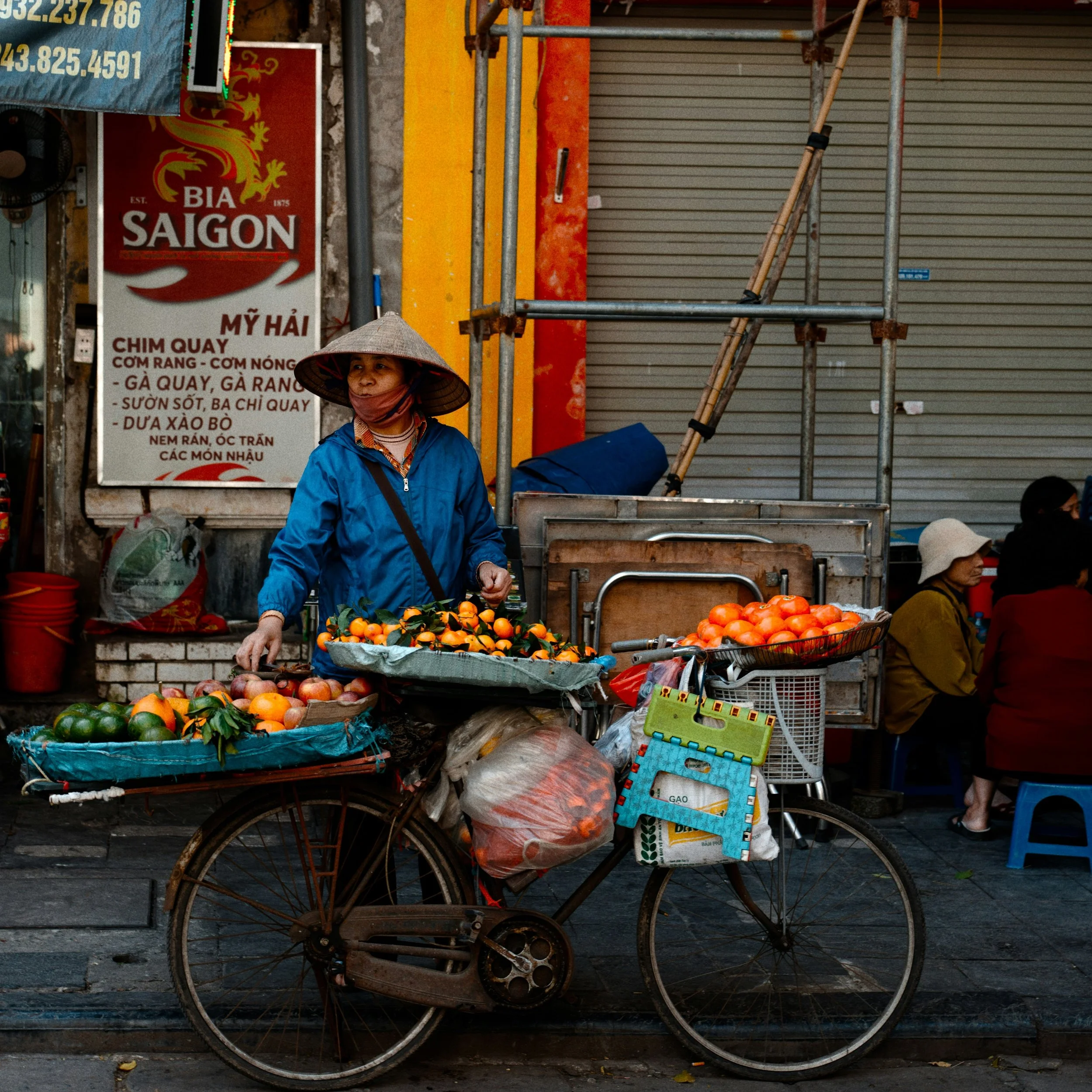
Food insecurity shapes what communities can build and how far they can go
Nearly 30% of the world lives with moderate or severe food insecurity. In many LMIC cities, people navigate rising prices, limited access to nutritious foods, and environments where cheap, filling options dominate. No one should be forced into poor diets because of the systems around them.
When food environments support people rather than constrain them, eating well becomes possible giving communities a fair chance at protecting health throughout life.
deaths worldwide are linked to poor diet, driven by low intake of whole foods and high intake of sodium and ultra‑processed foods1 in 5
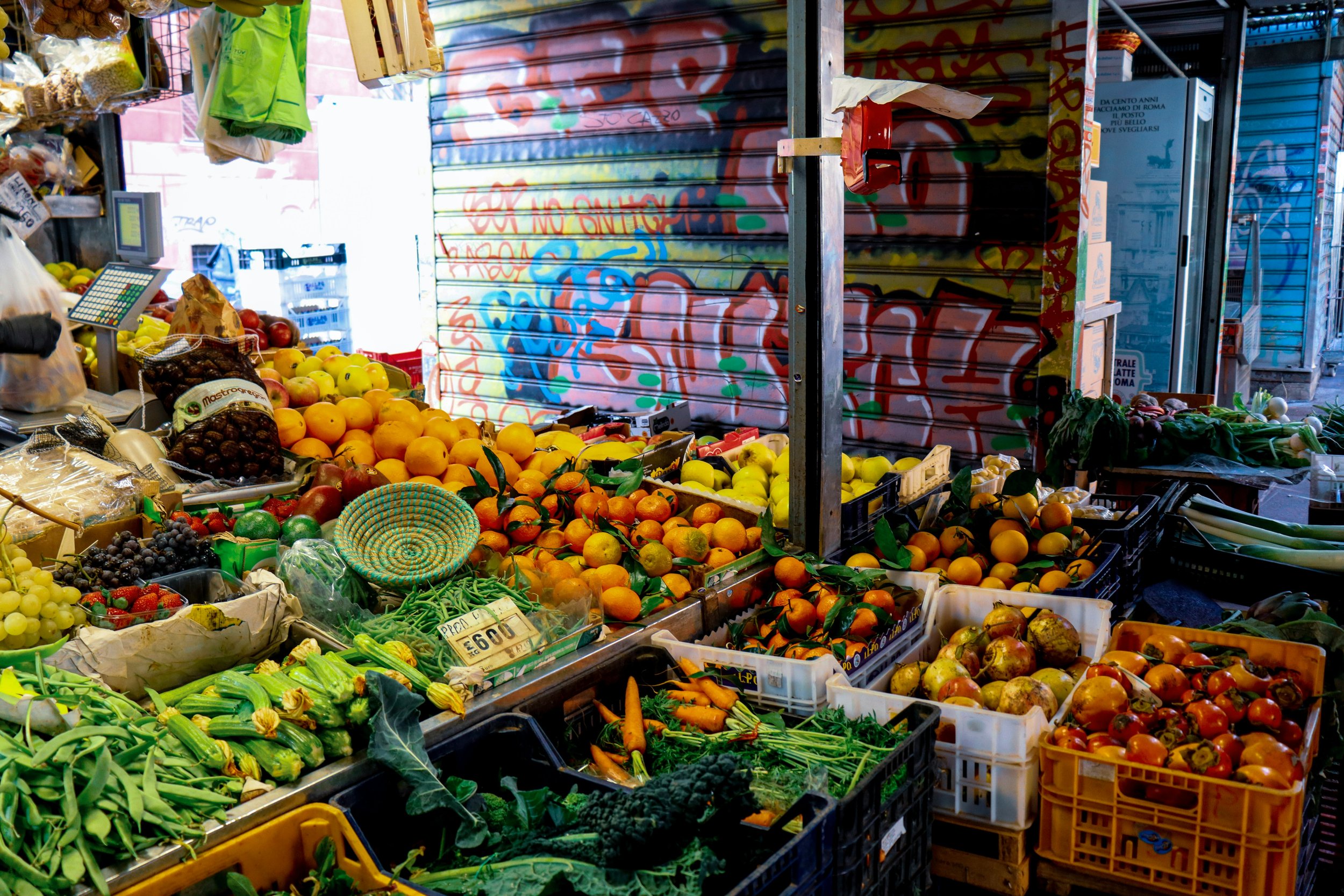
of daily calories for low‑income urban households in many LMIC regions come from street food40-70%

people cannot afford a nutritious diet, with the highest burden in Africa and South Asia3 billion
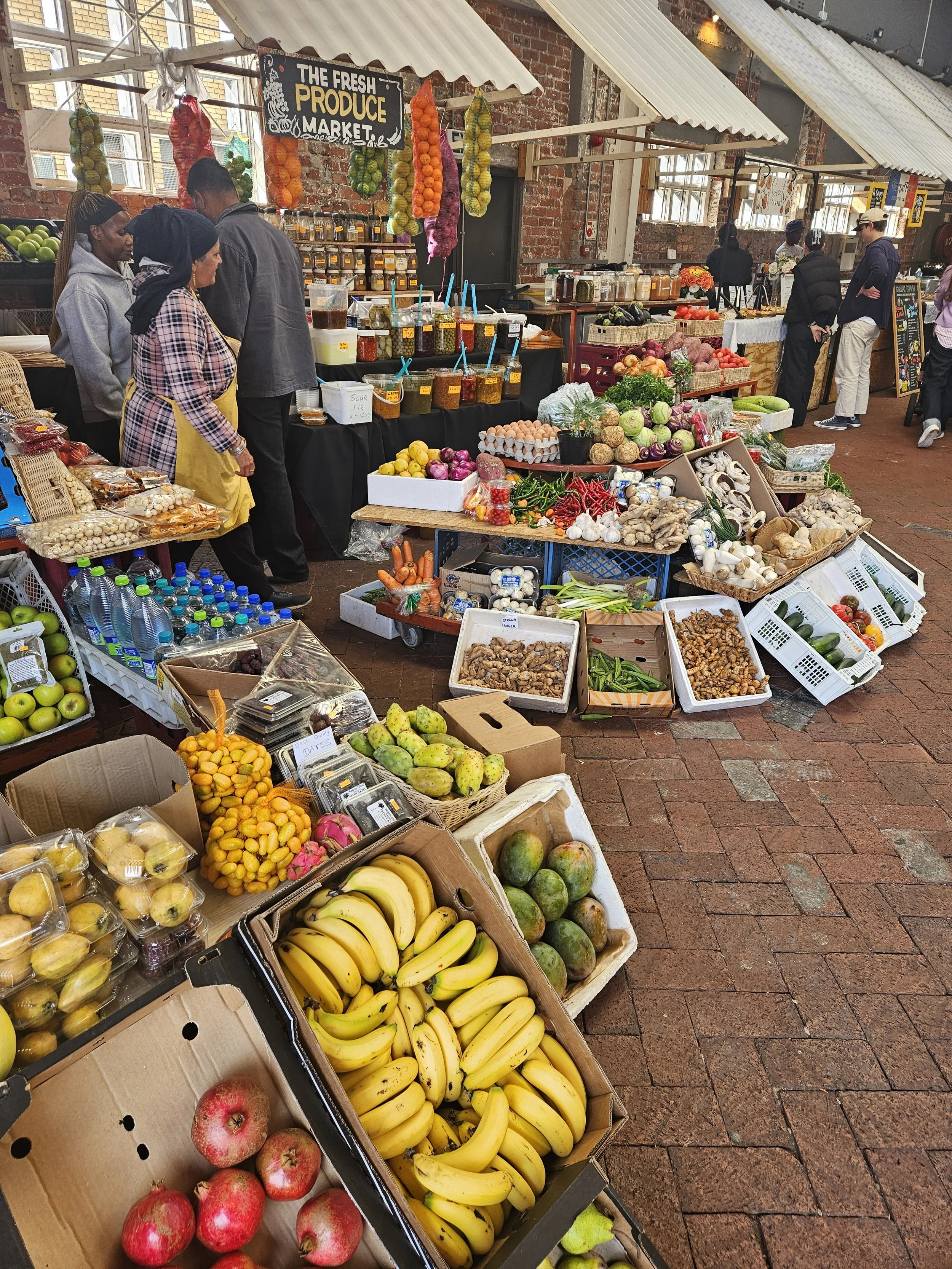
Where Food Meets Survival: A Reflection on South Africa’s Food Realities
A reflection on the lived realities of urban hunger in South Africa, where informal food economies, policy gaps, and daily precarity expose the systems that make food insecurity inevitable.
Nutrition Factors Driving Health Inequity
Across urban LMIC contexts, the commercial forces shaping diets are intensifying. Ultra‑processed foods dominate retail spaces, sugary drinks are aggressively marketed to children, and nutritious foods remain priced out of reach for many households.
These conditions are structural drivers of inequity that deepen the burden of diet‑related NCDs. Addressing nutrition inequity requires confronting the systems that create it.
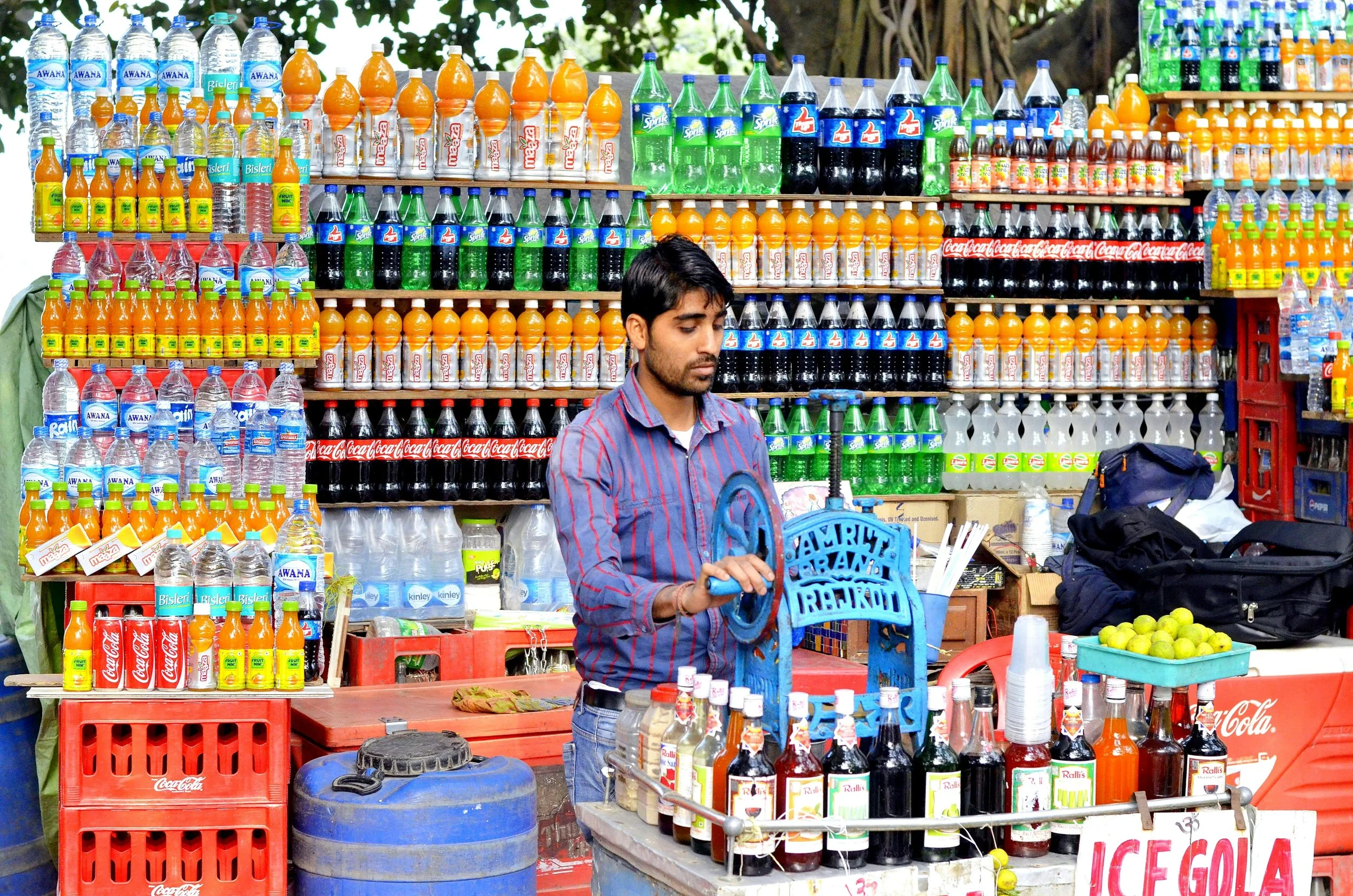
Sugary Drinks
Sugary drinks are among the fastest‑growing sources of calories for children and adolescents in LMICs, driven by low cost, aggressive marketing, and widespread availability.
Cost of Food
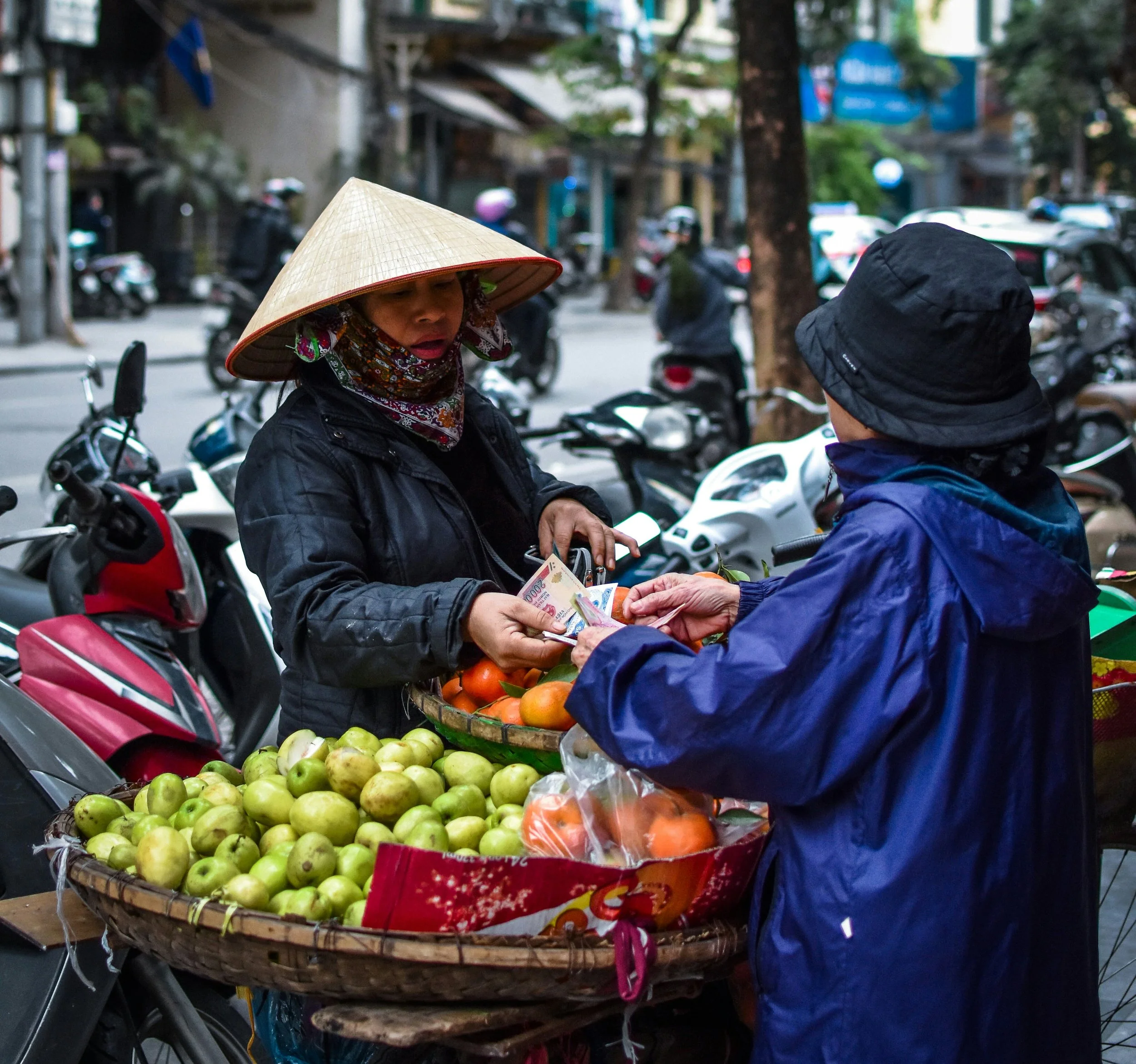
In many LMIC cities, healthy foods cost much more per calorie than ultra‑processed ones, shaping everyday dietary choices.

Ultra-Processed Foods
Cheap ultra‑processed snacks and drinks are increasingly replacing traditional foods in many LMIC cities, especially among children and adolescents.
Corporate Marketing
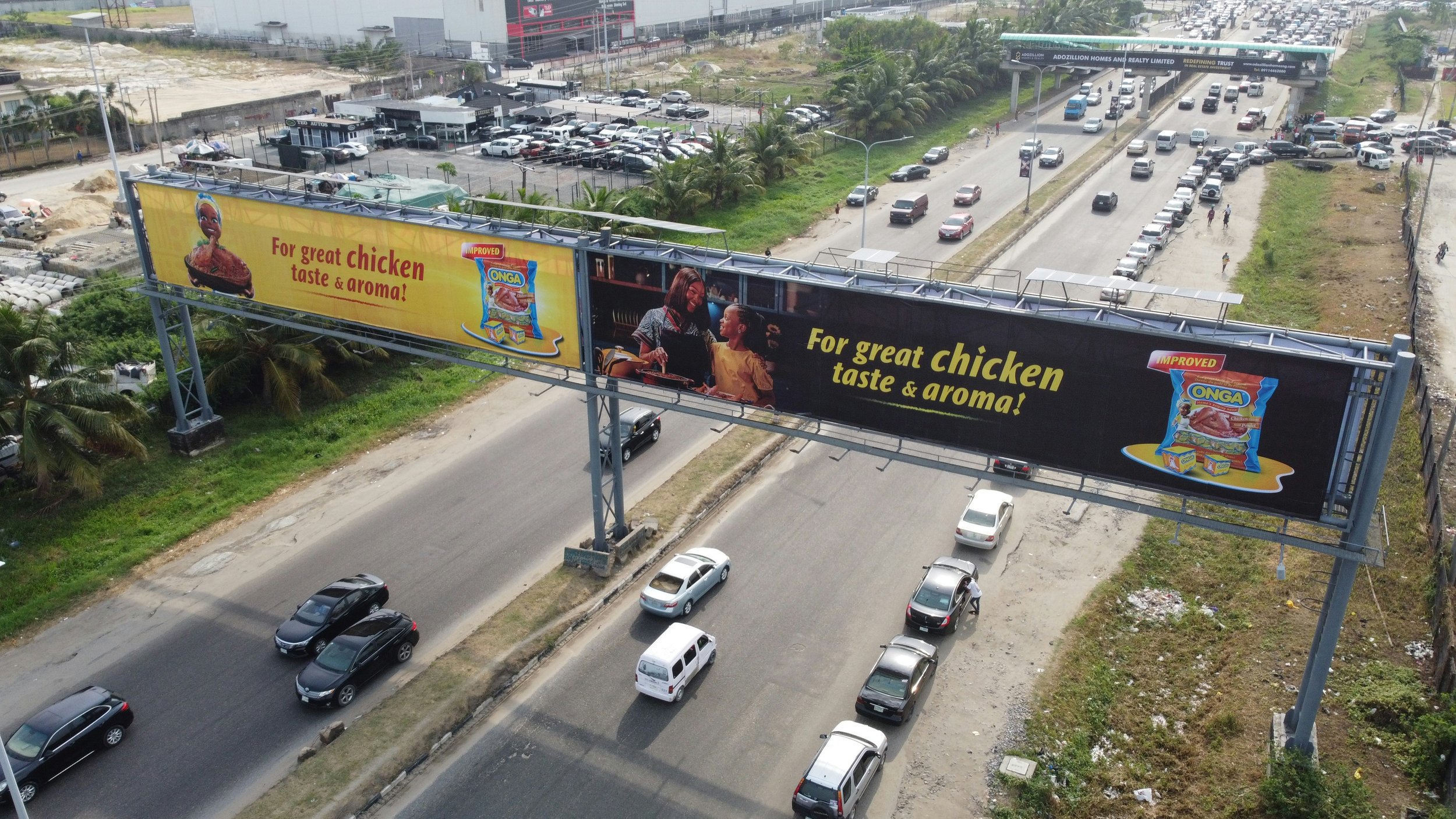
Marketing of unhealthy foods is concentrated in low‑income urban neighbourhoods, shaping dietary patterns from early childhood.

Food Environment
Fast‑food outlets and convenience stores cluster in low‑income neighbourhoods, shaping exposure and limiting access to nutritious foods.
Latest Articles

Rising Food Costs and Vulnerable Communities in the UK
Exploring the realities and challenges of food insecurity in the UK: causes, impacts, and potential solutions for a healthier, more equitable future

Farming, Processing, and Labelling on Nutritional Quality
Farming and food processing can impact the nutritional quality of our food, while clear labelling can help consumers make healthier choice, more informed choices

How Ultra-Processed Foods and Inflammaging Shape Ageing
It all begins with an idea. Maybe you want to launch a business. Maybe you want to turn a hobby into something more
Balancing Blood Sugar: Nutrition Meets Medicine
Understand how insulin resistance and prediabetes develop and how medical and lifestyle changes can help prevent or reverse these