
The Good
Gut Series
What is the Gut Microbiome?
The gut microbiome refers to the vast and diverse community of microorganisms including bacteria, archaea, viruses, and fungi that inhabit the human gastrointestinal tract. These microbes play essential roles in digestion, immune regulation, nutrient synthesis, and communication with other organs via the gut-organ axis.
The colon contains the highest microbial density, dominated by anaerobic bacteria (function without oxygen). The microbiome’s genetic material far exceeds that of the human genome, making it a key regulator of health and disease.
Microbiota vs Microbiome
The microbiota refers to the community of microorganisms, primarily bacteria, but also viruses, fungi, archaea, and protozoa that live in and on the human body. These microbes inhabit various surfaces, including the skin, mouth, lungs, and especially the gastrointestinal tract. Each body site has its own distinct microbial population.
The microbiome refers to the collective genetic material (DNA) of all the microorganisms in a given environment, such as the gut. It includes not just the organisms themselves, but also their genes, functions, and interactions with the host. The gut microbiome, for example, influences digestion, immune responses, and even brain signalling through the microbiota–gut–brain axis.
In short:
Microbiota = the microbes themselves
Microbiome = the genes and functions of those microbes
Some beneficial bacteria species:
Actinobacteria (Bifidobacterium)
Bacteroidetes (Bacteroides, Prevotella)
Firmicutes (Clostridium, Lactobacillus)
Proteobacteria (Escherichia)
Verrucomicrobia (Akkermansia)
Why a healthy gut matters
An imbalance in gut bacteria, known as dysbiosis, can disrupt immune function, increasing the risk of intestinal permeability called “leaky gut” and chronic inflammation. This inflammatory state is linked to a range of conditions, including depression, obesity, and type 1 and type 2 diabetes.
Research shows some diseases occur due to dysbiosis triggering specific immune responses that allow opportunistic pathogens to multiply and spread beyond the gut. These bacteria or their by-products, such as toxins, can alter hormone levels, immune signaling, and microbial diversity throughout the body.
Some diseases, like colorectal cancer, are directly linked to changes in gut microbiota. Others arise indirectly from systemic adaptations, for example, dysbiosis can affect cortisol levels via the gut-brain axis. Prolonged elevation of cortisol may lead to high blood pressure, increasing the risk of cardiovascular disease. When hormone changes are the immediate cause, the root disruption often begins with the microbiome making gut health a central factor in whole-body wellbeing.
Sleep and gut health are deeply interconnected through the microbiota-gut-brain axis. The gut microbiome plays a central role in regulating sleep and mood through bidirectional communication with the brain, including the modulation of neurotransmitters, immune signaling, and hormonal pathways. Gut bacteria help produce brain chemicals like serotonin and GABA, which are essential for restful sleep and emotional stability.
Disruptions in gut microbiota can interfere with circadian gene expression and melatonin production, affecting both the quality and timing of sleep. In turn, poor sleep worsens microbial imbalance and promotes inflammation, contributing to conditions such as depression, metabolic syndrome, and type 2 diabetes.
The microbiome helps produce serotonin, dopamine, and GABA, three neurotransmitters needed for mood regulation and sleep quality. The gut microbiota plays a vital role in their production, influencing emotional stability, motivation, and rest.
Sleep & the Gut
-
The circadian rhythm is the body’s internal 24-hour clock that regulates sleep, wakefulness, and many other biological processes. It acts like a built-in timekeeper, helping the body anticipate and adapt to the natural cycle of day and night. Exposure to light suppresses melatonin (the sleep hormone) keeping the body alert during the day, while darkness triggers melatonin release to prepare for sleep. Circadian rhythms influence hormone release (such as cortisol and insulin), digestion, body temperature, and gene expression across organs.
Factors that affect circadian rhythm include light and darkness, sleep patterns, daily routines, meal timing, metabolism, stress, physical activity, temperature, and social interactions.
When the body’s natural 24-hour circadian rhythm is disrupted due to insufficient or irregular sleep the composition and activity of gut microbes also shift. Like us, our microbes follow a daily rhythm. Disturbed sleep alters these microbial patterns, reducing diversity and increasing inflammation. This creates a self-reinforcing cycle that can further impair sleep and exacerbate conditions like insomnia and depression.
-
Serotonin helps regulate mood, sleep, appetite, digestion, and pain perception. Often called the “feel-good” chemical, it helps stabilise emotions and contributes to a sense of wellbeing and calm. Low serotonin is strongly associated with symptoms of depression, including fatigue, emotional instability, and persistent negative thoughts.
Dopamine is essential for motivation, pleasure, and reward processing. Low levels can disrupt mental and emotional wellbeing, with symptoms of fatigue, anhedonia (inability to feel pleasure), difficulty concentrating, lack of motivation, cravings for stimulants like sugar.
GABA (Gamma-Aminobutyric Acid) acts as a calming chemical, helping to slow down brain activity and prevent overstimulation. This is the brain’s natural “brake system,” promoting relaxation, emotional balance, and restful sleep. Low levels may cause anxiety, restlessness, insomnia, poor sleep quality, muscle tension and heightened stress response.
-
Disruption of light–dark cycles affect melatonin production, which in turn influences both sleep and microbial composition. Melatonin helps regulate microbial rhythms and gut barrier integrity, so reduced levels can lead to increased oxidative stress and impaired microbial signaling, both of which contribute to inflammation and disease risk.
-
For optimal health, it’s recommended to get at least 7 hours of sleep each night on a consistent schedule. Sleep quality matters just as much as duration including falling asleep within minutes and experiencing minimal disturbances throughout the night. Deep, restorative sleep supports immune balance, hormone regulation, and gut microbial stability.

Nutrients

Prebiotics & Probiotics
Fibre

Exercise & Gut Health
Physical activity supports gut health by increasing microbial diversity, strengthening the intestinal barrier, and promoting the production of short-chain fatty acids (SCFAs), which help regulate inflammation and metabolism. It also enhances communication along the gut-brain axis, contributing to improved mood and stress resilience. Moderate, consistent movement such as walking, yoga, or strength training can positively influence both digestive and mental wellbeing.
-
Athletes consistently show higher microbial diversity and increased SCFA production compared to non-athletes. These microbial changes are linked to better gut barrier function, reduced inflammation, and enhanced energy metabolism. Recent studies also suggest that certain beneficial bacteria may contribute to improved exercise performance and recovery.
-
Physical activity influences neurotransmitter (brain chemical) levels including serotonin, stress response, and cognitive function via the gut-brain axis. It can enhance mood, reduce anxiety, and improve mental clarity by supporting healthy communication between the gut and brain. These effects are especially pronounced with regular, moderate exercise, which helps regulate inflammation and maintain emotional balance.
-
High-intensity training, when not paired with proper recovery and nutrition, can cause oxidative stress and weaken the gut barrier. This may trigger inflammation and impair immune function, particularly in athletes with inadequate intake of key nutrients. Supporting the body with sufficient rest and essential nutrients such as antioxidants, iron, and calcium, is vital for maintaining gut and brain health.
A recent comparative study found that high-intensity training produced the most beneficial shifts in the gut microbiome, including increases in beneficial bacteria strains; Faecalibacterium, Lactobacillus, and Limosilactobacillus.
-
These practices reduce stress and support gut-brain communication, improving anxiety and mood disorders. They help regulate the nervous system and promote emotional balance through better gut function. Read more about mindful eating if you want to learn more about how food, awareness, and mood are connected.
-
Emerging evidence suggests that gut microbiota may influence exercise capacity itself, opening new avenues for microbiome-targeted training strategies. Certain bacteria appear to affect energy metabolism, inflammation, and recovery speed, potentially shaping endurance and performance. This has sparked interest in using probiotics and dietary interventions to optimise athletic outcomes.
-
For gut and mental health, aim for moderate, consistent physical activity about 150 minutes per week with a mix of aerobic, strength, and mind-body movement. This supports microbial diversity, reduces inflammation, and enhances mood through the gut-brain axis.
Aerobic movement for 3–5x/week boosts gut motility, SCFA production, and mood-regulating neurotransmitters.
Brisk walking - 30 min/day
Cycling
Swimming
Dancing
Low-impact cardio like water aerobics
Strength Training of around 2-4x/week supports metabolic health and reduces systemic inflammation.
Bodyweight exercises - squats, lunges, push-ups
Resistance bands or light weights
Functional movements - DB carries mirror carrying groceries or weighted box step ups mirroring climbing stairs
Mind-body practices for 2–3x/week regulates stress hormones and supports gut-brain communication.
Yoga - especially restorative or flow styles
Tai Chi or Qigong
Stretching and breathwork
Nature-based movement enhances mood, reduces cortisol, and supports microbial exposure, such as:
Hiking
Outdoor walks
Gardening or forest bathing
Start small with counting number of steps or moving for 30 minutes a day.
Choose enjoyable activities, just get moving.
Mix it up: Variety supports different microbial and neurological pathways.
Track mood and digestion: Notice improvements in sleep, energy, and gut comfort.
Therapeutic Strategies
Enhancing microbial diversity
Eat a wide variety of plant-based foods (fruits, vegetables, legumes, whole grains)
Include fermented foods like yogurt, kefir, kimchi, sauerkraut, and tempeh
Rotate food choices weekly to expose the gut to different fibres and polyphenols
Avoid unnecessary antibiotics and ultra-processed foods
Reducing inflammation
Prioritise omega-3-rich foods (e.g. flaxseeds, walnuts, oily fish)
Limit added sugars, refined carbs, and trans fats
Increase intake of anti-inflammatory spices such as cinnamon, ginger, and turmeric (don’t forget the black pepper with turmeric)
Manage stress through movement, sleep, and mindfulness practices
Strengthening the gut barrier
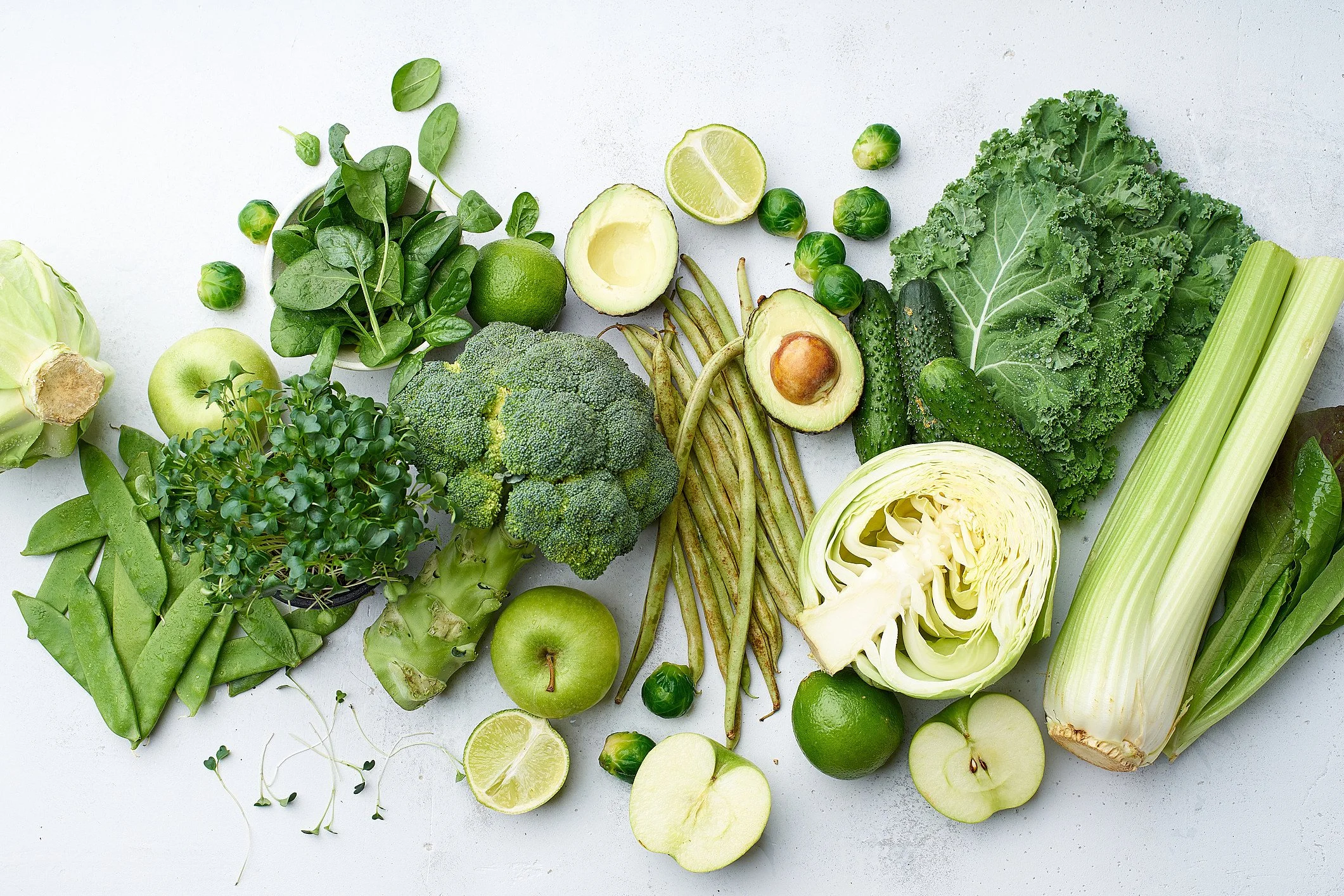
Consume prebiotic fibres such as garlic, onions, leeks, asparagus, bananas
Ensure adequate zinc, vitamin D, and glutamine through diet or supplementation
Avoid excessive alcohol and NSAIDs, which can impair barrier integrity
Support mucosal health with bone broth, collagen, or targeted supplements
Stress & the Gut
Stress has a powerful impact on digestive health and the gut microbiome. During periods of anxiety or perceived threat, the body redirects blood flow away from the digestive system, slowing down digestion and increasing intestinal transit time. This shift can compromise the gut barrier, raise the risk of intestinal permeability (“leaky gut”) and allowing undigested food particles and toxins to pass into the bloodstream. As a result, nutrient absorption may be impaired, and food intolerances can develop.
In adolescents, chronic stress appears to be particularly disruptive. Recent studies reveal that prolonged stress during this critical developmental window reduces microbial diversity in the gut and alters gut chemicals that influence mood regulation and metabolic processes. These changes may increase susceptibility to long-term health issues, including mental health disorders such as anxiety and depression, as well as metabolic conditions like obesity and insulin resistance.
-
Chronic stress elevates cortisol, the body’s primary stress hormone. Persistently high cortisol levels:
Disrupt gut microbial equilibrium, promoting overgrowth of pro-inflammatory species
Reduce microbial diversity, especially in the colon
Impair short-chain fatty acid production and gut barrier integrity
Contribute to fatigue, weight gain, and even reduced lifespan due to immune and metabolic dysregulation
-
Two key neuroendocrine systems mediate the stress response:
HPA Axis: Chronic activation raises cortisol and alters neurotransmitters like serotonin and dopamine, both shaped by gut microbes
SAM System: Drives rapid immune and inflammatory responses; prolonged activation fuels systemic inflammation and immune imbalance
These systems form a feedback loop: stress disrupts gut function, which in turn amplifies inflammation and emotional distress. This cycle is implicated in IBS, anxiety, depression, and autoimmune conditions.
-
Probiotic and prebiotic interventions are promising strategies to counteract the effects of stress on gut health. These approaches aim to restore microbial balance by encouraging the growth of beneficial bacteria, which in turn helps reduce inflammation and strengthen gut barrier integrity. By modulating the gut microbiota, they also influence neurochemical signaling pathways, supporting emotional resilience and improving metabolic outcomes in individuals experiencing chronic stress. This dual impact on both physical and mental health makes microbiome-targeted therapies a compelling area of research for stress-related conditions.
Medication & the Gut
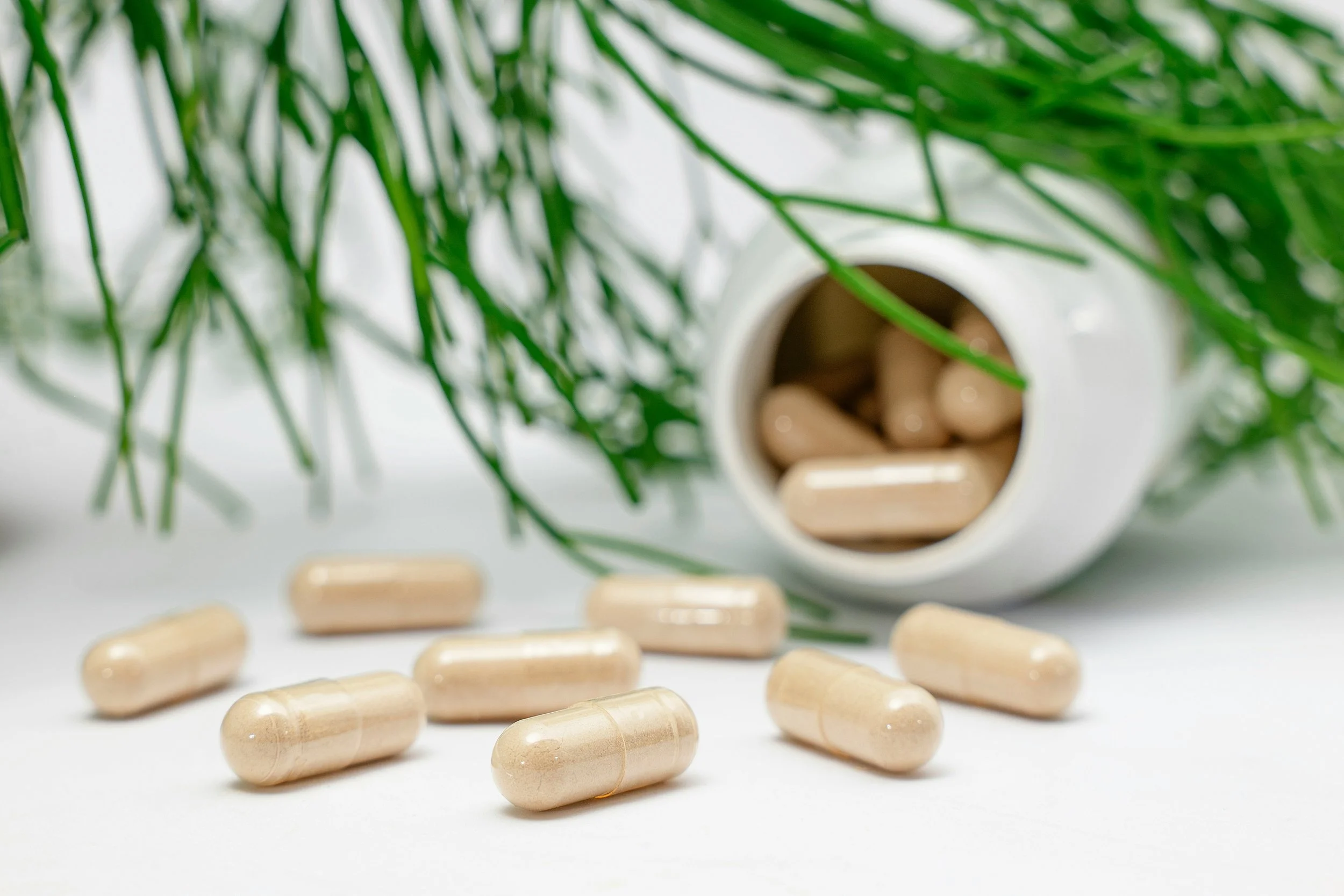
Medications such as antibiotics and antidepressants can profoundly disrupt the gut microbiome, altering microbial diversity, damaging gut integrity, and influencing overall health. Emerging research also connects these gut changes to shifts in brain function and emotional wellbeing. While these treatments are often essential, they can have lasting effects on the gut microbiota, which play a key role in long-term physical and mental health. A 2025 study from the University of Tartu found that commonly used drugs including SSRIs, antibiotics, and beta-blockers can reshape gut microbial communities for years after use.
-
Antibiotics, even when used short-term, can cause dysbiosis by damaging the gut lining and reducing microbial diversity. Rodent studies have shown that antibiotics can increase body fat, destroy beneficial microbes, and alter metabolic function.
A 2025 review confirmed that broad-spectrum antibiotics significantly reduce microbial diversity and impair gut barrier integrity. This disruption may lead to gut-driven inflammation, impaired nutrient absorption, and secondary effects on brain function and mood.
Recovery strategies include the use of targeted probiotics and anti-inflammatory, fibre-rich diets to help restore microbial balance and support gut healing.
-
Some SSRIs and SNRIs directly interact with gut bacteria, influencing microbial composition and function. The effects on inflammation and microbiota vary from person to person, depending on individual microbial profiles.
A 2025 study found that psychiatric medications including SSRIs and benzodiazepines, can alter key microbial activities such as vitamin biosynthesis and short-chain fatty acid production. These changes in gut composition may impact drug effectiveness, side effects, and gut–brain signaling.
This growing evidence supports a shift toward more gut-informed approaches in psychiatric care.
-
Gut inflammation does not just affect the digestive system it can disrupt the entire body. Disruptions to the microbiota–gut–brain axis, triggered by factors such as medication, chronic stress, or poor diet, may contribute to mood disorders, cognitive changes, and immune dysregulation.
A 2025 meta-analysis found that microbiome-targeted therapies including probiotics, prebiotics, and dietary interventions, significantly improved depression symptoms, particularly in individuals without existing digestive conditions.
-
Supporting gut health may enhance both resilience and recovery, especially in individuals with treatment-resistant conditions, chronic inflammation, or metabolic and mood-related symptoms.
Microbiome-targeted therapies such as probiotics, prebiotics, and dietary interventions have shown the greatest effectiveness when administered consistently over 8 to 12 weeks. However, therapeutic impact varies between individuals, highlighting the importance of timing, personalisation, and sustained lifestyle support in gut-focused care.
Obesity & the Gut
The gut microbiome plays a powerful role in regulating metabolism, appetite, and inflammation. In obesity, microbial imbalances can lead to increased calorie absorption and fat storage. Reduced microbial diversity and altered short-chain fatty acid (SCFA) production may further disrupt metabolic health.
Supporting gut health through fibre-rich diets, sleep hygiene, and stress reduction could help rebalance the microbiome and improve outcomes in obesity prevention and treatment.
Gut Microbes
Bacteroides fragilis makes a substance called polysaccharide A that helps calm the immune system and reduce inflammation in the gut.
Lactobacillus acidophilus is associated with improved insulin sensitivity, reduced adiposity (fat), and lower inflammation.
Akkermansia muciniphila helps protect the gut lining, supports healthy digestion, and may reduce fat and inflammation to improve metabolism.
-
In cases of obesity, especially among children, gut dysbiosis (gut bacteria imbalance) often presents as increased Firmicutes bacteria levels and decreased Bacteroides levels. This microbial imbalance is associated with the body absorbing more energy than usual from food and greater fat storage.
-
Bifidobacteria and Lactobacilli bacteria strains are linked to improved mood, memory, and learning.
In contrast, gut imbalance involving Actinobacteria, Proteobacteria, and Bacteroidetes may negatively affect cognitive function.
-
Dietary fibre helps grow healthy gut bacteria and boosts the production of SCFAs, which support digestion and metabolism. Taking fibre supplements may improve metabolic health, but more research is needed to confirm long-term benefits.
SCFAs (acetate, propionate, butyrate) influence lipid metabolism, gut permeability, and energy expenditure. Obesity is linked to altered SCFA profiles and reduced microbial diversity.
New research shows that some people extract more calories from fibre-rich foods due to methane production. This could explain why identical diets produce different outcomes depending on microbiome composition.
-
Combining probiotics and prebiotics may help grow healthy gut bacteria, increase beneficial compounds like butyrate, and lower harmful substances. These effects could support better digestion, reduce inflammation, and improve metabolic health.