
Shaping Equitable
Urban Food Futures
Working with community organisations, NGOs, and research partners to build healthier, more sustainable urban food systems that strengthen public health and reduce diet‑related NCD risks

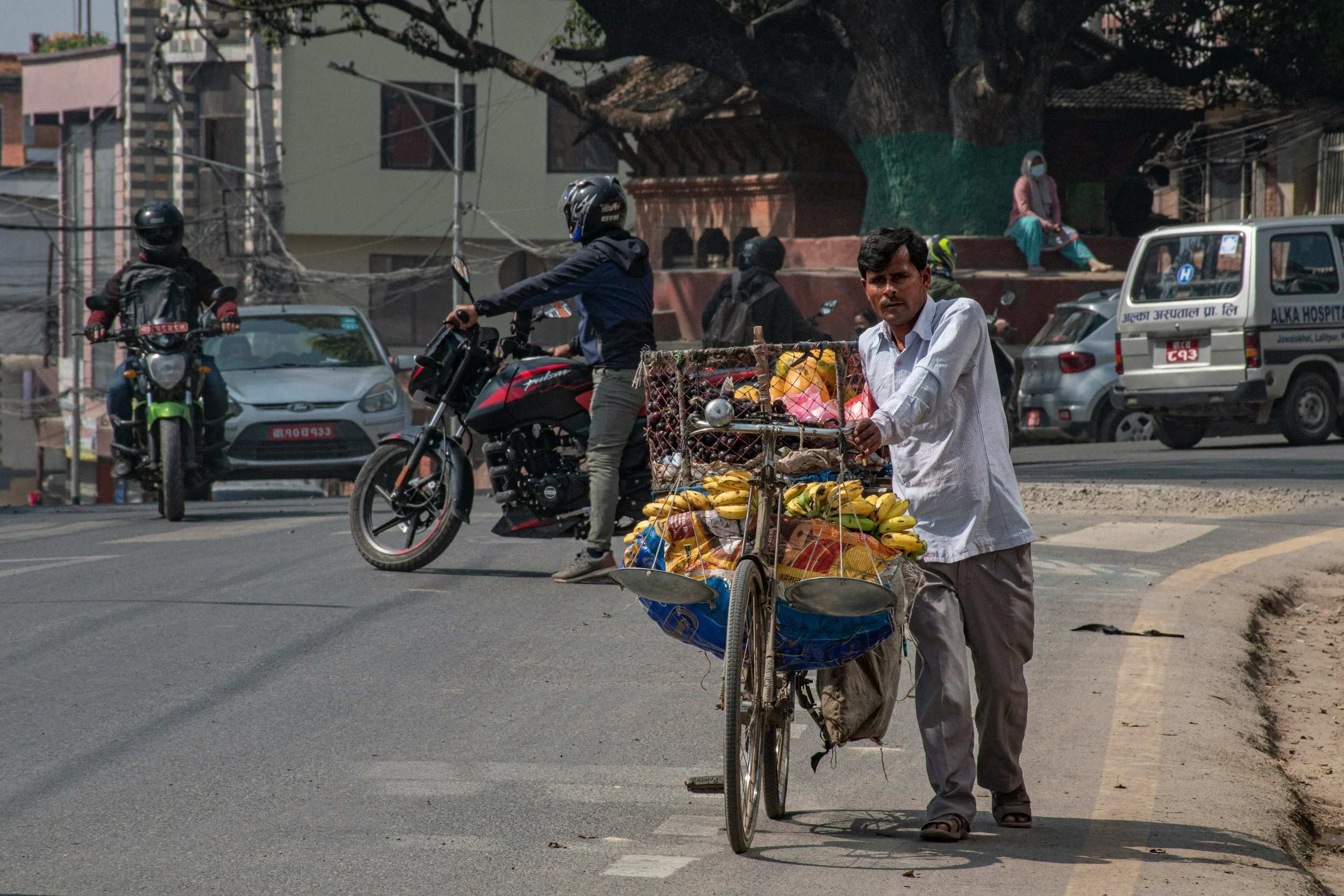

Across rapidly growing LMIC cities, the conditions shaping daily nutrition are shifting faster than public health systems can respond
4 Core Pillars

Urban Food Systems
Examining how commercial food environments and rapid city growth shape daily access and health
NCD Prevention & Behaviour Change
Applying practical behavior change frameworks to tackle diet-related chronic diseases in communities
Nutrition Quality
Analysing dietary shifts such as ultra‑processed foods, and how nutrient gaps affect health outcomes
Food Insecurity & Equity
Addressing the structural conditions, affordability barriers, and lived realities of food accessUrban Food Systems are Defining Future Health
The Ultra-Processed Food Shift
In urban LMIC settings, ultra-processed foods (UPFs) now account for 40–60% of daily calories, with the highest concentrations found in urban, younger, and lower-income households. This shift is driving rapid increases in obesity and diet-related chronic conditions.

Rapid Urban Growth
Urbanisation is accelerating across low- and middle-income countries (LMICs), with urban populations now reaching 60–80%. As cities expand, commercial food systems are fundamentally reshaping daily life and local food environments.

The Health Toll: Heart & Brain
While cardiovascular mortality has declined in high-income nations, it is rising across LMICs due to shifting commercial and environmental determinants. At the same time, structural pressures take a heavy cognitive toll: severe food insecurity increases the odds of mild cognitive impairment by 2.5X for adults over 50, compounding vulnerability in rapidly changing cities.
Services
We bridge public health research with frontline tools for community impact
-
Turning dietary intake and food systems data into practical public‑health strategies.
-
Applied research, evidence synthesis, and data analysis that turn complex nutrition and food‑systems science into actionable insight for public‑health and institutional partners.
-
Community‑focused nutrition education and behaviour programmes that strengthen public‑health impact.

Foundations for a Equitable Food System
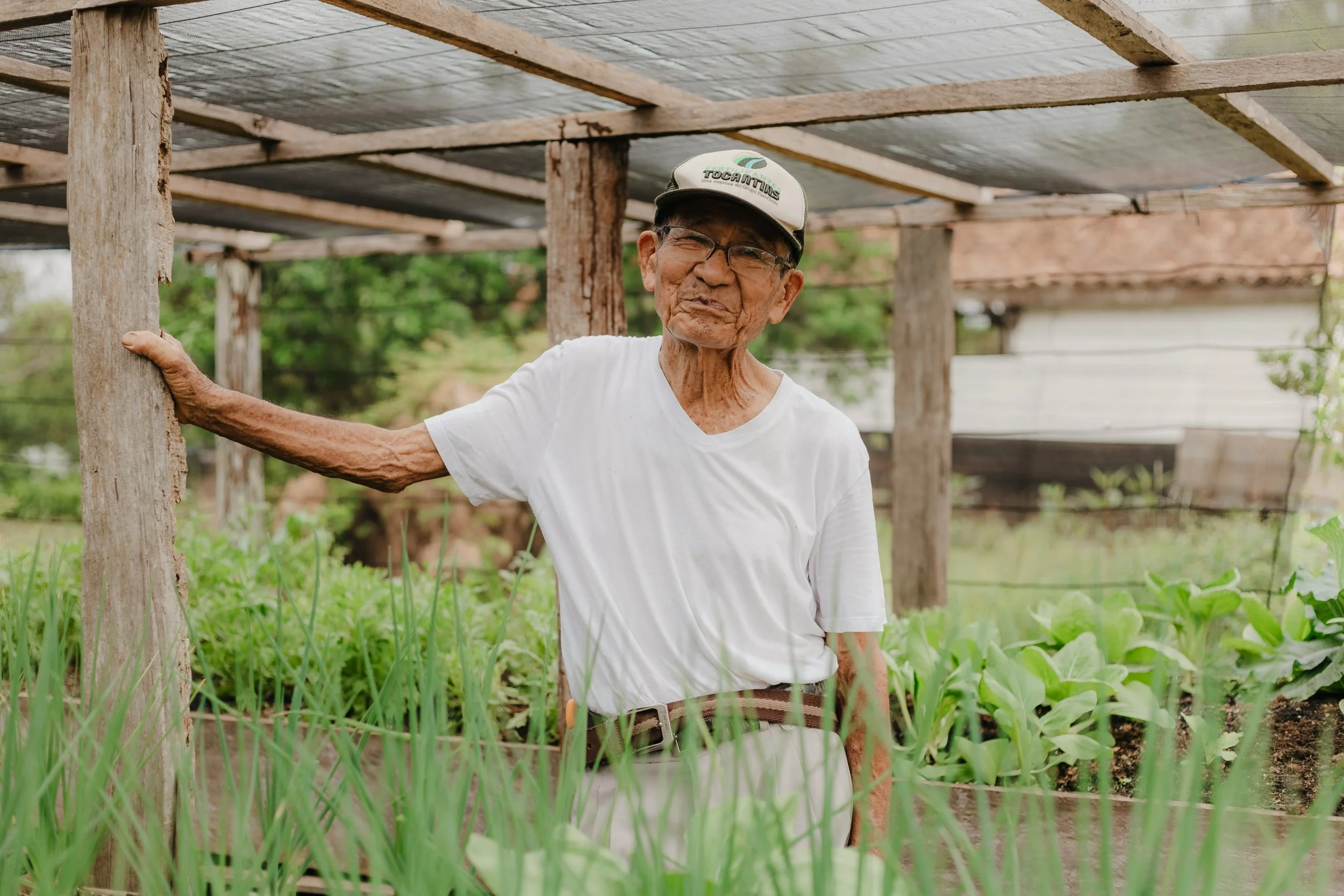
Equitable food access isn’t something one group can fix alone, it takes governments, organisations, and communities working together to build systems that actually support people’s everyday lives.
When communities have the tools, knowledge, and infrastructure to grow and access nutritious food, they’re less dependent on outside help and more able to shape their own futures.
Making sure people can rely on sustainable food sources isn’t just a development goal, it’s a basic part of reducing health gaps and supporting well-being across different regions and circumstances.
Latest Articles

When the City Shapes the Mind: Stress, Food, and NCDs in LMICs
In cities where stress is constant, the mind adapts and those adaptations shape how people eat, cope, and stay healthy
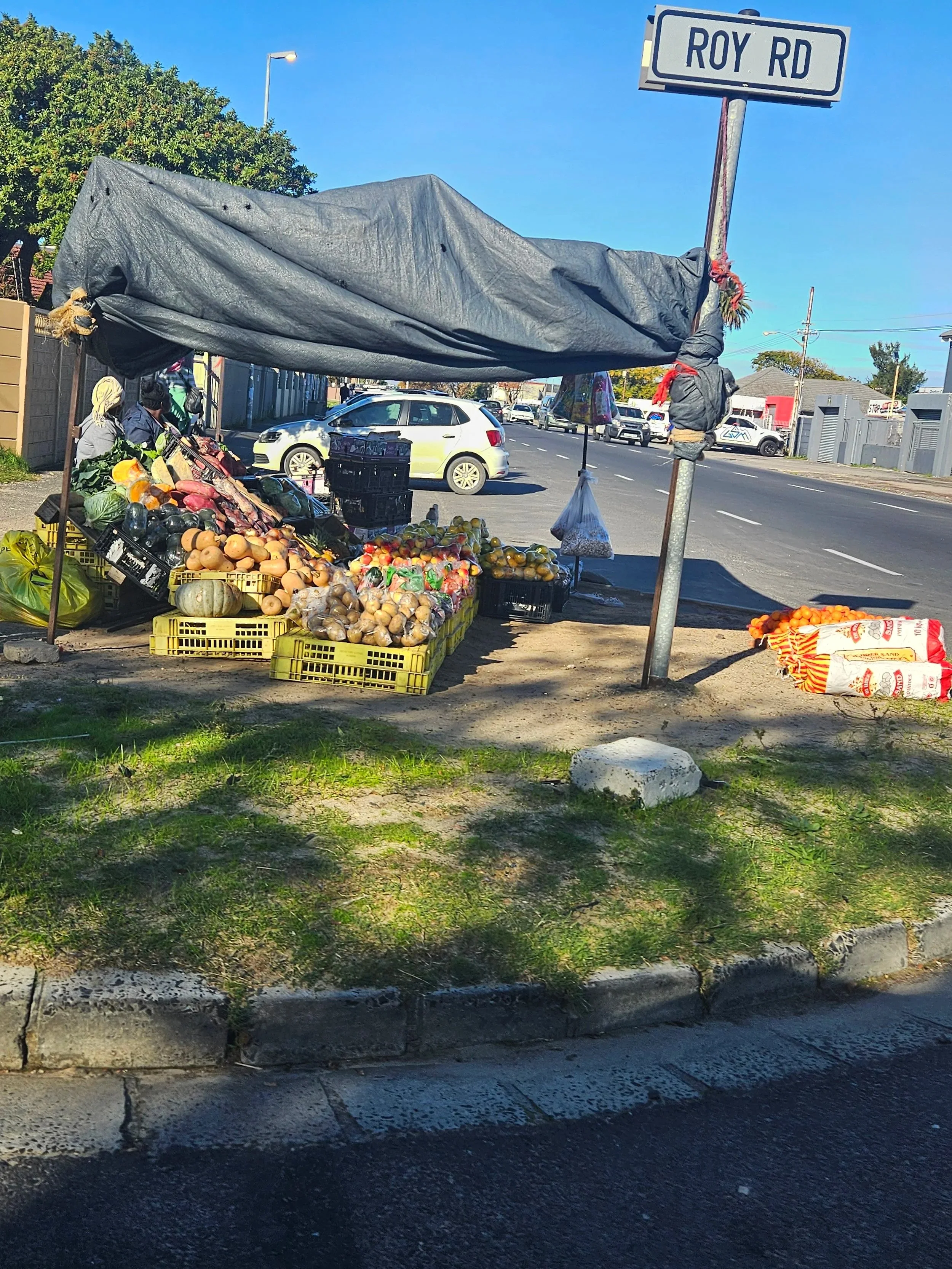
Where Food Meets Survival: A Reflection on South Africa’s Food Realities
A reflection on the lived realities of urban hunger in South Africa, where informal food economies, policy gaps, and daily precarity expose the systems that make food insecurity inevitable

Rising Food Costs and Vulnerable Communities in the UK
Exploring the realities and challenges of food insecurity, looking at causes, impacts, and potential future solutions